
how to choose bathroom mirror
In the world of precision manufacturing and accurate measurement, the measurement platform serves as the foundation for reliable results. Among its various characteristics, surface flatness stands out as a critical factor. Storaen (Cangzhou) International Trading Co., a renowned manufacturing company based in Botou, China, has earned its reputation by specializing in producing high-quality industrial products. From cast iron welding platforms to precision measuring tools, and from different types of plug gauges and ring gauges to valve wholesale, the company's unwavering dedication to precision engineering and strict quality control has made it a trusted name in the industry. Leveraging its strategic location in a major casting hub, the company can access top-notch raw materials and skilled labor, ensuring the superior quality and reliability of its offerings. Whether it's for inspection platforms used in quality control processes or measurement platforms in scientific research, understanding and maintaining surface flatness is essential for accurate platform inspection and successful operations. The Significance of Surface Flatness in Measurement Platforms Accuracy of Measurements: A flat measurement platform surface is crucial for obtaining accurate measurement results. Any irregularities or deviations in the surface can introduce errors, leading to inaccurate readings. For example, in metrology, where precision is of utmost importance, even the slightest unevenness on the measurement platform can cause significant discrepancies in the measurements of components' dimensions, affecting the quality control process that relies on platform inspection of these parts. Product Quality Assurance: In manufacturing, inspection platforms are often used to assess the quality of products. A flat surface ensures that products are inspected accurately, helping to identify any defects or non-conformities. If the inspection platform surface is not flat, it may mislead the inspection process, resulting in either accepting defective products or rejecting good ones, which can have serious consequences for production efficiency and product quality. Methods for Measuring Platform Surface Flatness Optical Flats: Optical flats are commonly used to measure the surface flatness of measurement platforms . These are highly polished glass or quartz plates with extremely flat surfaces. By placing an optical flat on the platform and illuminating it with monochromatic light, interference patterns are created. Analyzing these patterns allows technicians to determine the degree of flatness and identify any deviations on the measurement platform surface during platform inspection . Laser Scanning: Laser scanning technology provides a more advanced and comprehensive way to measure surface flatness. A laser scanner emits a laser beam that sweeps across the measurement platform or inspection platform The reflected laser light is then analyzed to create a detailed 3D map of the surface. This method can detect even the smallest irregularities and provides accurate data for platform inspection , enabling precise evaluation of the measurement platform's flatness. Factors Affecting Measurement Platform Surface Flatness Material Properties: The material used to construct the measurement platform or inspection platform significantly impacts its surface flatness. Materials with high stability and low thermal expansion coefficients, such as cast iron, are often preferred. Changes in temperature can cause materials to expand or contract, leading to warping and affecting the surface flatness. Choosing the right material helps maintain the platform's flatness over time and under different environmental conditions during platform inspection . Manufacturing Processes: The manufacturing processes employed during the production of measurement platforms also play a vital role. Precise machining, grinding, and lapping processes are required to achieve a flat surface. Any flaws in these processes, such as uneven cutting or improper grinding techniques, can result in an uneven surface. Storaen (Cangzhou) International Trading Co.'s commitment to precision engineering ensures that their measurement platforms and inspection platforms undergo rigorous manufacturing processes to maintain high surface flatness standards. Factor Impact on Surface Flatness Explanation Material Properties High Stable materials with low thermal expansion resist warping, maintaining flatness Manufacturing Processes High Precise machining and finishing ensure a flat surface; errors lead to unevenness Environmental Conditions Moderate Temperature, humidity, and vibrations can cause expansion, contraction, or deformation Usage and Handling Moderate Rough handling or overloading can damage the platform and affect its flatness Standards for Platform Surface Flatness Inspection Platform Industry Standards: There are various industry standards that define the acceptable levels of surface flatness for measurement platforms and inspection platforms . These standards provide guidelines for manufacturers and users to ensure consistency and accuracy in platform inspection . For example, standards may specify the maximum allowable deviation from a perfectly flat surface based on the platform's size and intended use, helping to determine whether a measurement platform meets the required quality criteria. Custom Requirements: In addition to industry standards, some applications may have custom requirements for surface flatness . Depending on the specific needs of a project or industry, users may set their own more stringent or relaxed standards for platform inspection . Communicating these custom requirements clearly to manufacturers like Storaen (Cangzhou) International Trading Co. ensures that the measurement platforms and inspection platforms produced meet the exact specifications for accurate and reliable operation. Measurement Platform FAQS How Often Should I Inspect the Surface Flatness of a Measurement Platform? The frequency of platform inspection for surface flatness depends on several factors, such as the platform's usage intensity, the environment it operates in, and the criticality of the measurements. For platforms used frequently in high-precision applications, it is advisable to conduct platform inspection at least once a month. In less demanding environments or for less critical measurements, quarterly or semi-annual inspections may be sufficient. Regular inspections help detect any changes in surface flatness early and ensure the accuracy of measurements. Can I Repair a Measurement Platform with an Uneven Surface? In some cases, it is possible to repair a measurement platform with an uneven surface. Minor irregularities can often be corrected through processes like grinding or lapping. However, for more significant damage or warping, it may be more practical to replace the platform. It is recommended to consult the manufacturer or a professional technician to assess the extent of the damage and determine the most appropriate repair method to restore the measurement platform's surface flatness for accurate platform inspection . What Tools Do I Need for Measuring Platform Surface Flatness? Common tools for measuring surface flatness of measurement platforms and inspection platforms include optical flats, laser scanners, dial indicators, and interferometers. Optical flats are simple yet effective for basic visual inspection of flatness, while laser scanners offer more detailed and accurate 3D measurements. Dial indicators can be used to measure small deviations from a flat surface, and interferometers provide highly precise measurements by analyzing light interference patterns. The choice of tool depends on the required level of accuracy and the specific characteristics of the platform being inspected. Does the Size of the Measurement Platform Affect Its Surface Flatness? The size of the measurement platform can have an impact on its surface flatness. Larger platforms are generally more challenging to manufacture and maintain at a high level of flatness due to factors like material weight, potential warping during manufacturing or transportation, and the difficulty of achieving uniform machining across a larger area. However, with advanced manufacturing techniques and proper quality control measures, manufacturers like Storaen (Cangzhou) International Trading Co. can produce large measurement platforms and inspection platforms with excellent surface flatness suitable for various applications. Where Can I Purchase High-Quality Measurement Platforms with Guaranteed Surface Flatness? For high-quality measurement platforms and inspection platforms with guaranteed surface flatness, visit the official website of Storaen (Cangzhou) International Trading Co. With their long-standing expertise in precision manufacturing, commitment to quality, and access to top resources, they offer a wide range of reliable platforms. Explore their product catalog, learn about the different specifications and features, and find the perfect measurement platform or inspection platform to meet your accuracy and platform inspection needs. Ready to ensure the accuracy and reliability of your measurements? Visit the www.strmachinery.com of Storaen (Cangzhou) International Trading Co. and discover our top-notch measurement platforms and inspection platforms . With guaranteed surface flatness and exceptional quality, our platforms are the perfect choice for all your measurement and inspection requirements.
about
how to choose bathroom mirror
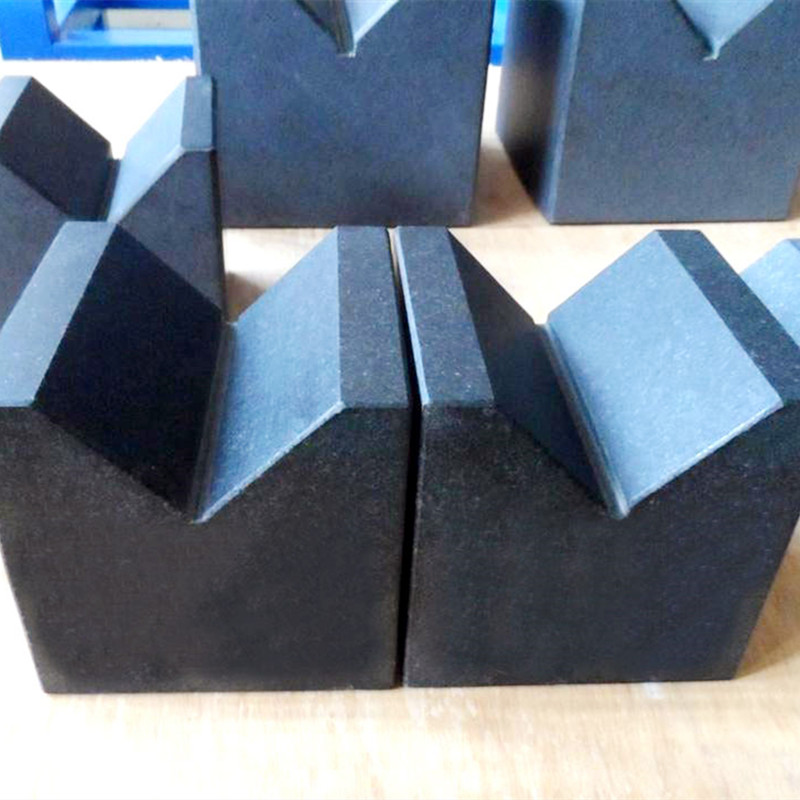
The Magnetic V Block from Storan represents a significant advancement in precision engineering tools, designed to support cylindrical workpieces during machining, measurement, and alignment processes. This article explores the product's features, technical specifications, applications, and the company background, while incorporating authoritative references to ensure credibility. # Product Overview Manufactured by Storaen (Cangzhou) International Trading Co., a leading supplier based in Hebei, China, the Magnetic V Block is engineered to meet the demands of modern industrial applications. The product is crafted from high-quality steel, ensuring durability and precision. Its design integrates magnetic force in both the V-shaped groove and the base, enabling secure clamping of cylindrical components such as shafts, tubes, and sleeves. This innovation simplifies alignment tasks, reducing the risk of errors during machining operations. # Key Features Integrated Magnetic Force: The V-shaped groove and bottom surface are equipped with strong magnets, allowing the block to securely hold cylindrical and angular workpieces without additional clamping mechanisms. High Accuracy: The Magnetic V Block ensures precise alignment of workpieces, making it ideal for applications requiring verticality and concentricity checks. Easy to Use: Its intuitive design minimizes setup time, enabling operators to quickly position and secure workpieces for machining or measurement. Versatile Applications: Suitable for grinding, line cutting, and other machining processes, the block adapts to various industrial needs. # Technical Specifications Parameter Details Material Steel Model Number 2002 Place of Origin Hebei, China Lead Time 7 days for 1-100 pieces; negotiated for quantities >100 Applications Testing verticality and concentricity of cylindrical parts # Applications in Industrial Processes The Magnetic V Block is a critical tool in various manufacturing scenarios. Its primary use involves supporting and aligning cylindrical workpieces during machining operations. By ensuring the workpiece axis is parallel to the benchmark countertop, the block facilitates accurate tooling for processes like grinding and line cutting. The magnetic force also allows for the secure placement of irregularly shaped components, such as 45° angle-holding square workpieces, without the need for additional fixtures. According to the National Institute of Standards and Technology (NIST), precision in manufacturing is essential for maintaining product quality and operational efficiency. NIST emphasizes that tools like the Magnetic V Block contribute to the development of standardized processes, which are vital for industries reliant on high-accuracy measurements. This aligns with NIST's mission to advance technology through research and measurement standards. # Product Images Below are images of the Magnetic V Block, showcasing its design and functionality: # Company Background: Storaen (Cangzhou) International Trading Co. Storaen (Cangzhou) International Trading Co. is a reputable manufacturer and supplier of industrial tools and machinery, specializing in precision engineering solutions. Based in Hebei, China, the company leverages advanced manufacturing techniques to produce high-quality products tailored to global market demands. Their commitment to innovation and quality control ensures that products like the Magnetic V Block meet international standards. The company’s product range includes a variety of machining services, such as broaching, drilling, and laser machining, catering to diverse industries. By prioritizing customer satisfaction and adhering to rigorous quality assurance protocols, Storaen has established itself as a trusted partner for manufacturers seeking reliable tools for their operations. # Why Choose the Magnetic V Block? The Magnetic V Block offers several advantages that make it a preferred choice for industrial applications: Enhanced Precision: The magnetic clamping system ensures minimal movement of workpieces, reducing errors during machining. Time Efficiency: Its user-friendly design streamlines setup and alignment processes, saving valuable production time. Durability: Constructed from high-grade steel, the block is built to withstand demanding environments and prolonged use. Cost-Effectiveness: By minimizing the need for additional clamping tools, the Magnetic V Block reduces overall operational costs. # Industry Relevance and Standards The integration of magnetic technology in the V Block reflects broader trends in industrial innovation, where automation and precision are paramount. As highlighted by NIST, the development of standardized tools and techniques is crucial for advancing manufacturing practices. NIST ’s research into measurement science directly supports the creation of tools like the Magnetic V Block, ensuring they meet the exacting standards required for modern production environments. Moreover, the Magnetic V Block aligns with global efforts to improve manufacturing efficiency. According to NIST , advancements in metrology (the science of measurement) are pivotal for industries aiming to reduce waste and enhance product reliability. By providing a reliable solution for aligning workpieces, the Magnetic V Block contributes to these goals, demonstrating the practical application of metrological principles. # Conclusion The Magnetic V Block is a testament to the synergy between engineering innovation and industrial needs. Its magnetic clamping system, combined with high precision and durability, makes it an indispensable tool for manufacturers. As industries continue to prioritize accuracy and efficiency, tools like the Magnetic V Block will play a vital role in shaping the future of manufacturing. # References National Institute of Standards and Technology (NIST) . (n.d.). Retrieved from https://www.nist.gov .
-

High quality industrial productsagement

High quality industrial products
View Details -

Meet the diverse needs of customers

Meet the diverse needs of customers
View Details -

Strict quality control

Strict quality control
View Details -

Top raw materials

Top raw materials
View Details -

Trusted supplier

Trusted supplier
View Details
Our application
news and information
Válvula de retención 8an y su importancia en sistemas hidráulicos.
8an check valve .
Válvula mariposa de 12 pulgadas con actuador para control de flujo eficiente
Válvula de mariposa de 12 pulgadas con actuador Un componente clave en sistemas de control de flujo

What are the Main Application Areas of Butterfly Valves
Butterfly valves , as an important industrial valve, have a wide and diverse range of applications.
 English